Learn » Blog » A dam good opportunity: Let’s not waste this water crisis
A dam good opportunity: Let’s not waste this water crisis
Published on 09/03/2026
By Sam Stubbs. This article was originally written & published in The Post.
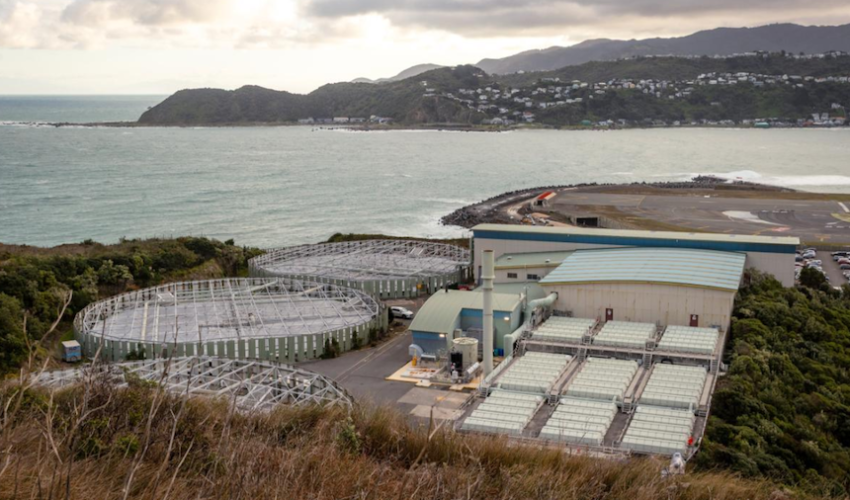
The recent Moa Point wastewater failure reminds us how important it is to get the water we want, and clean it up afterwards.
The first reminder is how much we value proper disposal of our wastewater. It is part of being a Kiwi to be able to safely swim in our beaches, and that means processing wastewater to high standards.
And to see how high a priority this is for us, just look across the Tasman. Cities like Sydney, with much more wealth, effectively dump primary treated sewage into the ocean. That’s a fancy way of saying no solids are dumped, but untreated liquids are.
The true cost of clean water
The high standards we hold ourself to come at a big cost. Treating sewage is expensive, and has been a highly bespoke exercise in New Zealand. The previous Labour Government, via its “Three Waters” reforms, wanted to consolidate all local water authorities into four regional giants. But they have been flushed away, with new Coalition-driven ‘Local Water Done Well’ reforms rolling out across the country.
They keep responsibility for supply and treatment of all potable and waste in the hands of 42 separate water authorities.
And they all have a big job to do, because an estimated $120-185 billion will need to be invested in the next 30 years. And that money has to come from somewhere, usually via metered water, or rates.
And for cities without water meters like Wellington, that means not only replacing the rusty - and rusted through - pipes, but also a new water meter in every home.
Centralised or local?
I won’t debate the pros and cons of Three Waters versus Local Water Done Well. But regardless of the philosophy you adopt - centralisation or localisation - the bill is huge. And given the magnitude of the change and spending required, let’s not - pardon the pun - waste this crisis.
To my mind, we should take a slightly different approach to those of commentators stuck in their ideological corners. We should pursue a solution to that both retains the benefits of local ownership, while also reaping the benefits of scale.
The bottom line is, many local water authorities will continue to own the wastewater assets they need. But for simple reasons of scale, they are unlikely to be the best operators. And many will need to outsource provision of fresh and waste water, making them vulnerable to offshore companies promising their A game, but actually delivering their C game.
A chance to build a national water champion
So, is there a better way? Could KiwiSaver, iwi and local investors back a local wastewater champion? Do we need a locally owned ‘Ministry of Waterworks’?
To me this is tempting, because it would allow councils to contract services from a locally owned provider with scale, who would then contract local firms to do the work in the communities they know well.
For example, the Department of Internal Affairs estimates that over 2,200 small-scale sewage plants will be required to be replaced in rural New Zealand. I cannot believe that a large buyer of standard kit won’t get a much better price, with much lower lifetime maintenance costs, than every council having to run their own purchasing process.
A large, long-term local champion in operating water assets would make the sensible investments required. For example, they would establish close relationships with polytechnics to develop a constant stream of apprentices and skilled labour. There has been criticism of overseas operators under-staffing and under-skilling wastewater operations in New Zealand, by promising their A game but delivering their C players. Instead, we could both manage our water assets and provide a pipeline of well paid local jobs.
Investing locally for long-term returns
The Ministry of Waterworks could also hire local family run firms to do the work. This has worked very well for Simplicity Living - of which I’m a director - which builds affordable homes for rent faster, cheaper and better. It does this via a smaller head office that standardises plans and procedures, and contracting out - long term - to locally owned businesses. This fosters a culture of trust and pride in local provision of services, in a very cost effective way. It’s both local in provision, while still benefiting from economies of scale, simplification and standardisation.
This would be a great long-term investment too, because the “Ministry” would benefit its KiwiSaver and iwi investors with very stable returns, regulated by the Commerce Commission. And judging by how the toilet rolls were the first thing we bought during Covid, water bills will nearly always be paid. It would be a win-win for consumers and KiwiSaver/Iwi investors.
I will avoid all obvious references to this being a sh** investment, because it might be - literally so. But in terms of achieving high quality water - and wastewater processing - at a fair price, and with a fair return to KiwiSavers, it is anything but.
And, to my mind, the more we invest KiwiSaver savings in New Zealand, the more jobs and more growth our economy will have.
So let’s not waste this crisis.