Learn » Blog » Market Commentary: What happened in November 2025
Market Commentary: What happened in November 2025
Published on 10/12/2025
Topics:
investments
Profit taking, future growth worries and rising AI-related debt levels emerged as the big themes driving markets through November. Share markets still saw positive inflows with people piling in to invest, but gains were more modest as performance from big tech started to slow.
Performance across market sectors was uneven. The Magnificent 7 (Nvidia, Microsoft, Apple, Alphabet, Amazon, Meta and Tesla) now make up around 35 percent of the S&P 500, and this month they underperformed the rest of the market. If you were to strip them out of the index, the S&P 500’s total November return would have lifted from 0.25 percent to 1 percent for the month. Obviously a significant change compared to their former weight in driving growth.
NZX 50
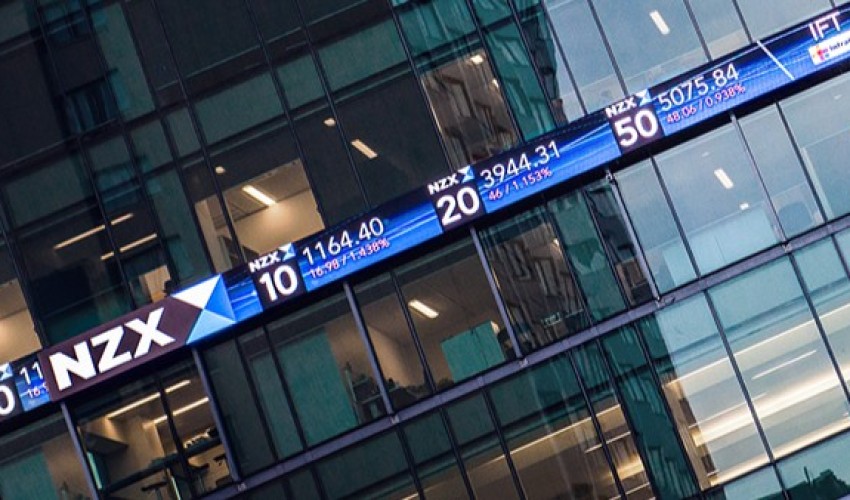
Interestingly, local business confidence reached an 11 year high in November, which helped push the NZX 50 index to another record before it pulled back late in the month. The index finished down 0.4 percent.
Our share market has lagged global peers over the past couple of years. An improving economic outlook could help close that gap in time, but as we know, no one can predict the future of markets.
Green shoots in the New Zealand economy
It was another mixed month when it came to New Zealand economic data. The good news is that construction, tourism and manufacturing are all showing signs of improvement. Tourism in particular is almost back to pre-Covid levels, helped by the weaker Kiwi dollar which makes travel here cheaper - so more attractive.
On the downside, dairy prices and consumer spending remain flat to weaker. Most economists expect the Kiwi dollar to stay soft, potentially moving around its current levels for a while yet.
One cut and done
The Reserve Bank of NZ (RBNZ) delivered a widely expected 25 basis point cut to the Official Cash Rate (OCR), taking it to 2.25 percent. The decision was made with a 5 to 1 vote, with one member of the committee preferring to hold rates at 2.5 percent.
Markets had been expecting a single cut in the near term followed by hikes about a year from now. Since then, the odds of any further cuts have reduced. A weaker domestic economy could change that, but for now the RBNZ looks comfortable stopping here unless more support is needed. This changing forecast has meant that wholesale rates (which partly drive bank interest rates) have actually increased, and banks held their lending rates steady in November rather than reducing them again.
US out of shutdown and data returns
With the US government back up and running, the flow of US labour market data resumed. Initial jobless claims showed 216,700 new people filing for benefits and 1.7 million Americans now receiving ongoing payments, the highest level since 2021.
The September non-farm payrolls report claimed an increase of 119,000 jobs created in the month. Wage growth data - which comes out around the same time - was softer, and the bureau behind these reports confirmed that no October wage growth report would be produced. This leaves the Federal Reserve ("the Fed") with patchier data at a time when it is most needed for interest rate decisions.
Interest rates and bonds
Bond markets struggled through November, partly due to the temporary lack of US economic data with the government shutdown. The 10-year US Treasury Bond closed at 4.02 percent, down a touch from the previous month but still around 3 percent higher than it was at the end of 2020, during the Covid-19 pandemic. Japanese government bonds were among the weakest performers, falling 1.3 percent in local currency terms. The falling Yen continues to pose inflation headaches for the Japanese economy.
New Zealand bond yields lifted following the RBNZ decision, and tracked global moves higher through the month. Returns were negative, with NZ bond returns down 1 percent and hedged global bond returns down 0.5 percent.
As we head into the final stretch of 2025, markets are firmly focused on the last major data point of the year: the Fed's December rate decision over in the US. A rate cut is priced in, but recent data makes it less straightforward. Expect some global market movement heading into the New Year. But remember to focus on the long-term if you're not about to withdraw your funds; a little market volatility is not worth getting spooked about, when you're in it for the long run.
Merry Christmas and we hope you have a safe and happy summer break ahead!