Learn » Blog » Market commentary: What happened in April 2026
Market commentary: What happened in April 2026
Published on 11/05/2026
Topics:
investments
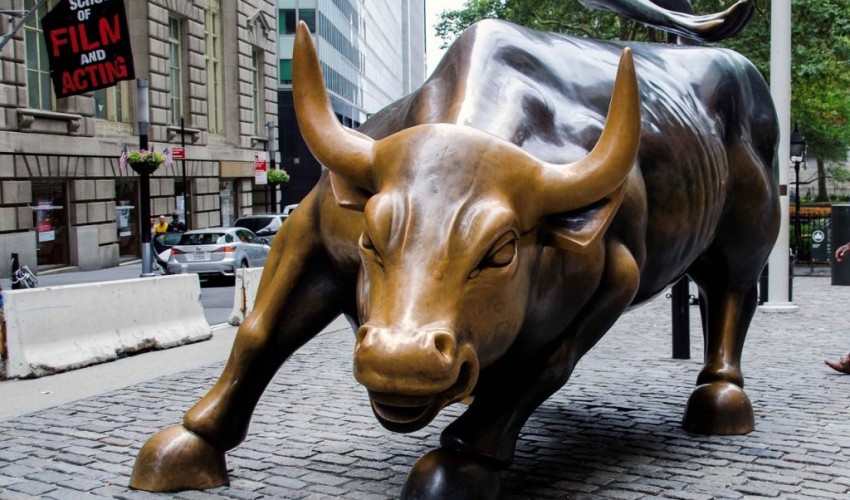
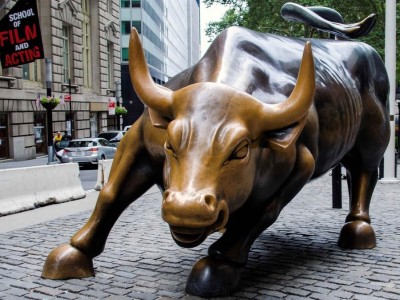
April brought a sharp rebound for global share markets, supported by an easing of US-Iran tensions and renewed enthusiasm for artificial intelligence. The S&P 500 led developed markets with one of its strongest monthly gains in recent years, and emerging markets posted their best month since 2009. Bond markets had a tougher time of it: lingering energy price shocks pushed yields higher and prices lower across most major economies.
For Kiwi investors, April was a useful reminder that share markets and bond markets do not always move in the same direction, and that one month's recovery in one asset class can sit alongside real discomfort in another.
April 2026 markets at a glance:
- Global shares rebounded strongly, supported by a temporary US-Iran ceasefire
- The S&P 500 delivered one of its strongest monthly gains in recent years (up 10.5%)
- Japanese shares jumped over 16% in local currency terms
- Emerging markets posted their strongest performance since 2009 (up 47%, after a total increase of 46.7% for the 12 months to April 30)
- Brent crude briefly moved above US$120 per barrel, keeping pressure on bond markets
- The RBNZ left the OCR unchanged but adopted a sharply more hawkish tone
Why AI and earnings drove the equity rebound
Markets entered April still shaky after a difficult March. The catalyst for the turnaround was a temporary ceasefire between the US and Iran, which removed some of the immediate geopolitical premium that had built up in share prices. With that pressure off, investors quickly refocused on company fundamentals, and they liked what they saw. Reported corporate earnings broadly came in ahead of analyst expectations, and the ongoing AI investment story (and the companies powering it) gave US tech another leg up.
The flipside is that performance remained heavily concentrated. A handful of large tech and AI-related names did much of the heavy lifting in the index, which is something long-term investors will recognise as a recurring feature of recent years.
United States: tech leads the way
The US S&P 500 had one of its strongest months in years at a 10.5% increase in April (in USD terms), with most of the gains driven by the same AI-exposed names that have dominated recent index returns. Reported earnings beats helped support the move, although the breadth of the rally was narrower than the headline numbers suggested.
The US Federal Reserve held interest rates steady at 3.50-3.75%, signalling comfort with its current 'restrictive stance' while geopolitical and inflation uncertainty remained elevated. April policy communications hinted at some internal division, with both dovish (more economy-positive) and hawkish (signalling inflationary caution) feelings on display, a useful reminder that even central bank committee members are not always aligned on the path forward.
Europe and the UK: weaker fundamentals, mixed returns
The picture across Europe was less than encouraging. Economic data remained soft, with subdued growth expectations, moderating inflation and contractionary PMI readings (AKA the Purchasing Managers' Index, an economic indicator compiled by the S&P) keeping pressure on the European Central Bank to maintain a cautious stance. UK shares posted modest gains, although weakness in energy, healthcare and defensive sectors muted overall returns.
The Bank of England held rates steady at 3.75%. UK gilt yields (the term used for UK bonds) climbed to their highest levels since 2008 as energy-driven inflation worries and ongoing political uncertainty pushed bond markets lower.
Asia: Japan rebounds, Taiwan and Korea ride the AI wave
Japanese shares jumped more than 16% in local currency terms, a strong rebound from a difficult March. The Bank of Japan kept rates unchanged, although a split vote by their committee suggested growing internal pressure to tighten if inflation continues to be high.
Taiwan and Korea, two of the world's dominant suppliers of semiconductors and hardware, benefited heavily from the AI investment story. Stronger company earnings expectations gave both markets a meaningful tailwind for growth. Across the broader emerging markets complex, returns were exceptional - the strongest monthly performance since 2009. In fact, the MSCI Emerging Market index was up 14.7% (in USD terms) in April alone, comfortably outpacing developed markets and only just short of the total returns seen for this index for the 12 months to 30 April (+46.7% in USD terms).
Australia and New Zealand: a sharply more hawkish RBNZ
Closer to home, the Reserve Bank of New Zealand (RBNZ) left the Official Cash Rate (OCR) unchanged but adopted a noticeably more hawkish tone. The RBNZ flagged readiness for "decisive and timely" rate increases if inflation pressures broaden, which is a clear signal that it sees the risks tilted more toward further tightening (i.e. increasing interest rates) than easing. Australia's central bank decision was not due to be announced until early May, so will be included in the next market update.
Interest rates and bonds: the energy story is still live
Bond markets had a much tougher month than shares. Brent crude briefly moved above US$120 per barrel as supply concerns lingered, and that energy spike reignited inflation worries across most major economies. Higher inflation expectations pushed bond yields higher, which meant bond prices fell. Just a reminder that, in simplistic terms, bond prices and yields tend to move in opposite directions - so when yields rise, bond market prices come down.
German 10-year Bund yields hit their highest levels since 2011 (3.146%), and UK gilts reached post-2008 highs of over 5% for 10-year benchmarks, reflecting how sensitive Europe's bond markets remain to the ongoing energy disruptions from the Middle East. US Treasury yields also moved very slightly higher, but nothing of note compared to Europe's movements.
What investors are watching next
Heading into May, the dominant question is whether the US-Iran ceasefire holds. If it does, the risk-on sentiment we saw in share markets through April could persist, and supply chains can begin to normalise. That said, reopening the Strait of Hormuz and restoring usual ship movements through the region will take time, so the energy supply issues are unlikely to be resolved quickly - even in a best-case scenario.
The other thing worth watching is whether share market strength can broaden out beyond AI-related names. Concentrated rallies (like we're seeing with the AI race) are common, but markets with broader participation tend to be more resilient when overall sentiment turns.
For long-term investors, April reinforced a familiar message. Diversification across regions, asset classes and time horizons remains one of the most reliable ways to ride out the kind of monthly swings markets have served up so far this year. Short-term moves, both up and down, are part of investing, and staying focused on your time horizon usually matters more than reacting to any single month's results.
TL;DR - April 2026 summary
- Global shares rebounded strongly, with the S&P 500 leading developed markets
- Japanese equities jumped over 16% in local currency terms
- Emerging markets posted their best month since 2009
- Bonds had a tougher month as Brent crude briefly topped US$120 per barrel
- The RBNZ held the OCR steady but signalled it is ready to hike if inflation broadens
- Geopolitical tension and energy supply remain key swing factors heading into May